Learn. Build. Deploy.
Explore technologies, real-world use cases and step-by-step guides to get the most out of RackMint.
Browse by Technology
Learn the core technologies and how to use them with RackMint.
 Argo CD The GitOps continuous delivery tool for Kubernetes
 Flux CD The GitOps toolkit for keeping Kubernetes clusters in sync with Git
 Kubernetes The container orchestration platform
 containerd An industry-standard container runtime
 Grafana Dashboards, alerting, and data exploration, operated as code
 Helm The package manager for Kubernetes
 OpenTelemetry The vendor-neutral standard for traces, metrics, and logs, configured as code
 Prometheus Metrics-based monitoring and alerting
 Fluentd A unified logging layer for collecting and routing logs
 Envoy A high-performance proxy for cloud-native applications
 Istio A service mesh for connecting, securing, and observing microservices
 Cilium eBPF-powered networking, security, and observability for Kubernetes
No technologies match your search.
Learning paths
Curated bundles of guides for your level, grouped by technology.
 Beginner
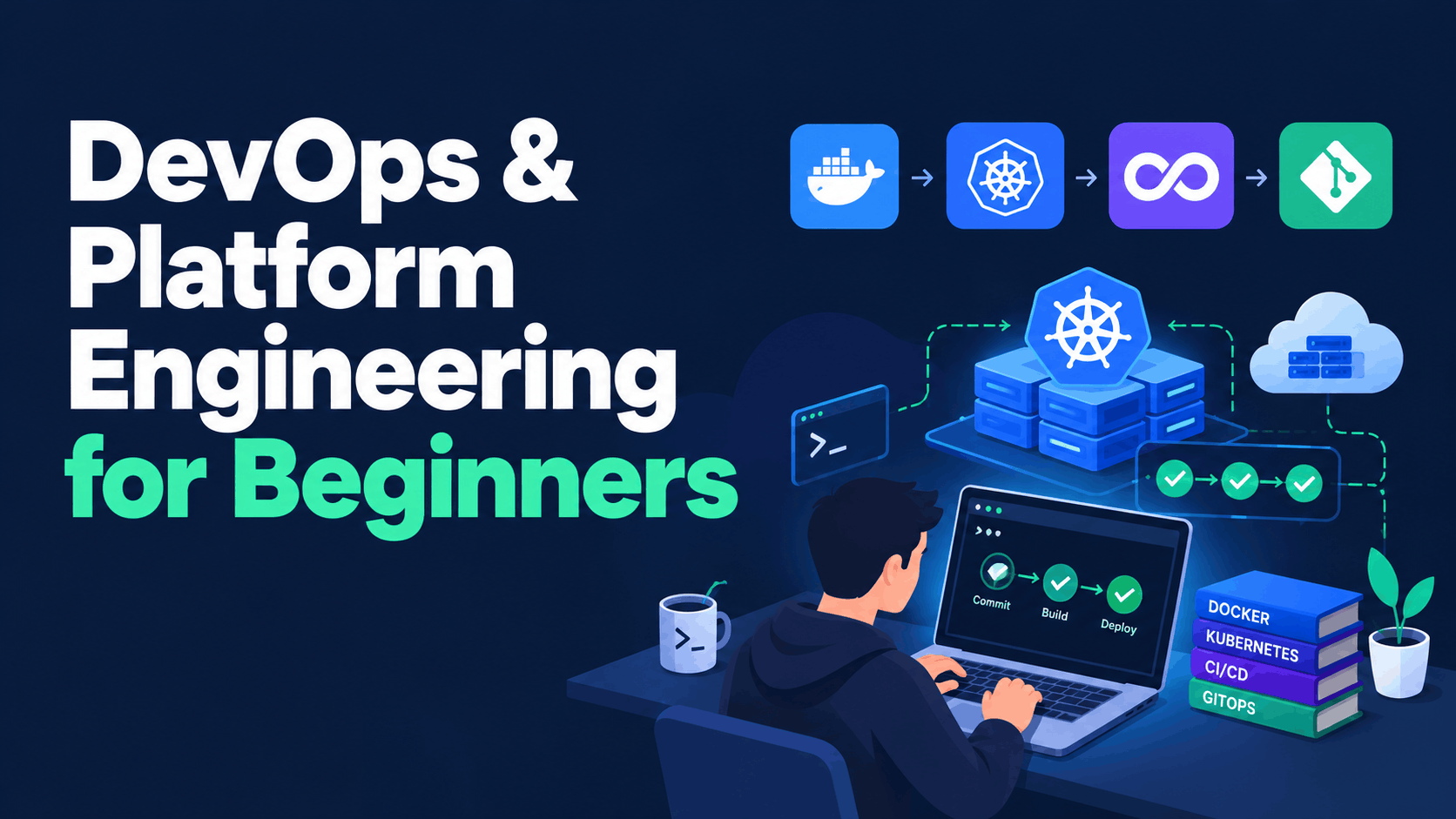
DevOps & Platform Engineering for Beginners
Start from zero. Learn how modern teams build, ship and run software with containers, Kubernetes, CI/CD and GitOps, one hands-on guide at a time.
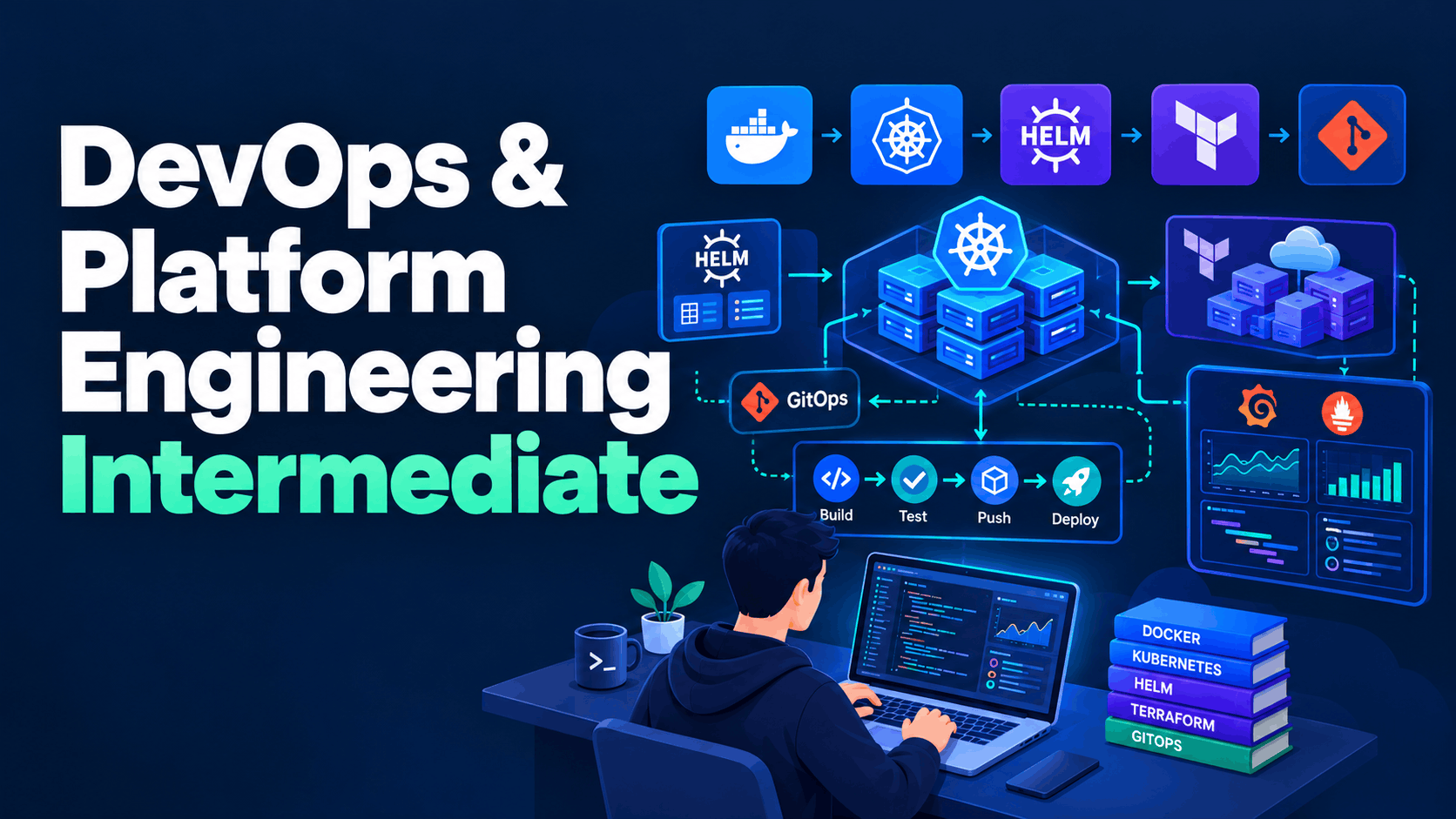 Intermediate
DevOps & Platform Engineering: Intermediate
Go beyond first deployments. Automate delivery, manage multiple environments, add observability and build repeatable workflows your whole team can trust.
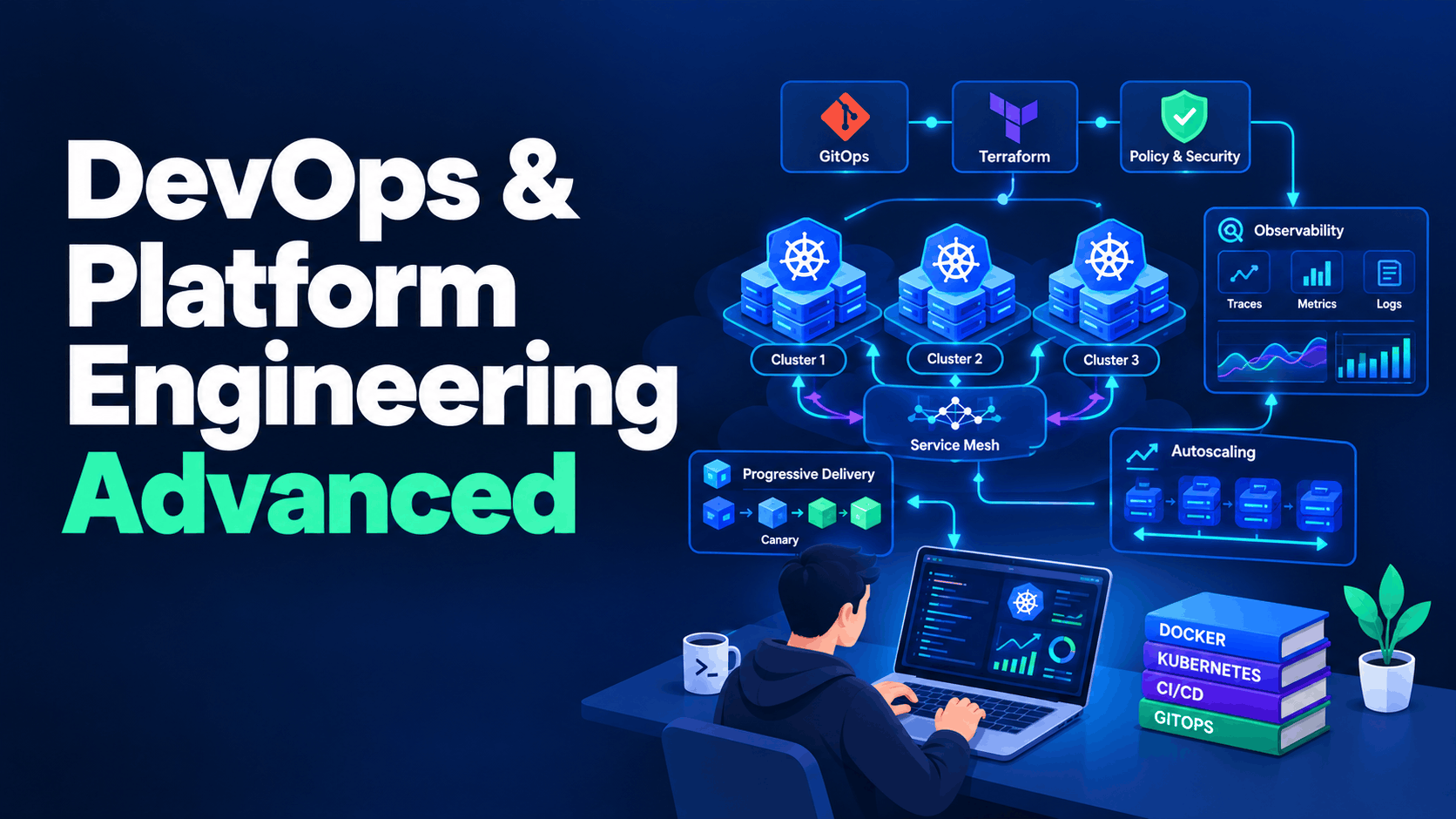 Advanced
DevOps & Platform Engineering: Advanced
Design the platform, not just the pipeline. Cover multi-cluster delivery, security hardening, cost control and the internal tooling that scales a whole engineering team.
Popular Guides
Step-by-step tutorials to help you get started.
- Deploy Your First Application with a Declarative Manifest Point Argo CD at a Git repository using an Application resource and watch it sync.
- Deploy Your First Application with a GitRepository and Kustomization Point Flux at manifests in Git using a Kustomization resource and watch it sync.
- What Kubernetes Is and the Problems It Solves Why containers alone stop scaling, and how Kubernetes turns a group of machines into one platform.
- Deployments: Scaling, Self-Healing, and Rolling Updates Run replicas of a Pod, update them without downtime, and roll back when a release goes wrong.
- From Docker to containerd: A Short History of Kubernetes Runtimes Why Kubernetes stopped talking to Docker directly, and what containerd actually is in relation to it.
- containerd's CLI Tools: ctr, nerdctl, and crictl Three command-line tools, three different jobs — which one to reach for and when.
- Helm Chart Anatomy: Charts, Values, Templates, and Releases The folder structure every chart shares, and the three concepts that make Helm more than a YAML bundler.
- Create Your First Helm Chart from Existing Manifests Turn a Deployment, Service, and ConfigMap into a templated chart, then install and upgrade it.
- Prometheus Architecture and the Pull Model Why Prometheus scrapes instead of receiving, and how targets, exporters, and service discovery fit together.
- Get Started with PromQL: Selecting, Rating, and Aggregating Build up from a simple metric selector to a real query: per-path error rate, computed live.
- Why Centralized Logging: The Problem Fluentd Solves What goes wrong once logs live in dozens of files and formats, and how Fluentd's collect-transform-ship pipeline fixes it.
- Fluentd Configuration Basics: Source, Filter, Match, and Tags The directives every Fluentd config is built from, how tags connect them, and how to validate a config before running it.
- Envoy Architecture: Listeners, Clusters, and Filter Chains How a request actually moves through Envoy, from the socket it arrives on to the upstream it's sent to.
- The HTTP Connection Manager and HTTP Filter Chains How Envoy turns raw bytes into HTTP requests it can act on, and the ways you can plug your own logic into that pipeline.
- Istio Architecture: Sidecars, the Data Plane, and the Control Plane What istiod actually does, how Envoy sidecars fit in, and why neither your app nor its manifests need to know Istio exists.
- Install Istio with istioctl and Enable Sidecar Injection Get a mesh running on a local cluster, confirm it's healthy, and get your first workload's sidecar injected.
- How Cilium Uses eBPF: Identity, Policy, and Sockets What actually happens in the kernel when a Pod starts, talks to another Pod, or gets a packet policy decision — and why it's fast.
- Set Up a Cluster for Cilium: Disable the Default CNI First Cilium replaces your cluster's networking entirely, which means the order of operations matters more than with most add-ons.
No guides match your search.